In July 1940, two months after the outbreak of World War II, the two premises of the newly established International Archive for the Women's Movement (IAV, Atria's predecessor) were emptied by the Germans.
In July 1940, two months after the outbreak of World War II, the two premises of the newly established International Archive for the Women's Movement (IAV, Atria's predecessor) were emptied by the Germans.
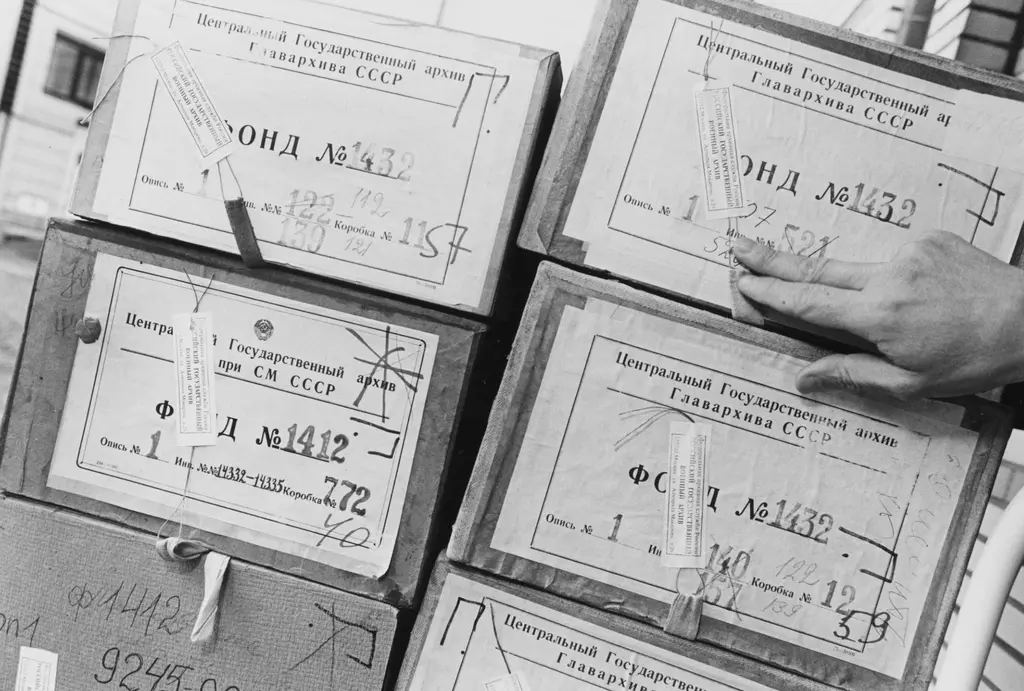
After the war, only 10% of the collection was recovered. When the archive was reopened in 1947, the bookshelves were almost empty. The old IAV archives were later found to have had a long wander. In 1992, they were recovered in Moscow and on 13 May 2003, after long negotiations, they finally returned to Amsterdam.
Read the story about the looted archives of the women's movements below.
Lost archive material
During World War II, the German occupiers looted a lot of material from Dutch museums, archives and from private individuals and took it to Germany. Some of it was found by the Americans during the liberation of Europe in 1945. They returned the material to the countries of origin or took it back to the United States. But where much of the missing material had gone remained unknown for decades.
Special archive in Moscow
It was only 47 years later - in early 1992 - that historian and Russia expert Marc Jansen discovered that Moscow had a so-called Special Archive containing kilometres of archives. Like the Americans, the Russians had found many archives and works of art during their liberation offensive in 1945. These they took with them to the Soviet Union.
View the looted treasures route here
Starting in 1992, the General State Archivist of the Netherlands, the Dutch embassy in Moscow and the Ministry of Foreign Affairs in particular worked to retrieve the material from the Netherlands.
Visit to the Moscow archive
In February 1994, historians Mineke Bosch and Myriam Everard visited the Moscow Archive. They wanted to see the lost material with their own eyes. Looking was allowed, but taking anything back to the Netherlands was out of the question. Over four days, they ploughed through all 25 boxes of 203 numbered folders and in a short time described the contents of the archives as best they could. Jaap Kloosterman (director of the IISH) had good contacts in Moscow and he arranged for all the material to be microfilmed. The IIAV received fourteen films containing 33,663 recordings as a gift from him in August 1994.
Read Mineke Bosch's personal report here: On stealing treasures - My visit to the Osoby Archiv in Moscow.
28,000 items returned
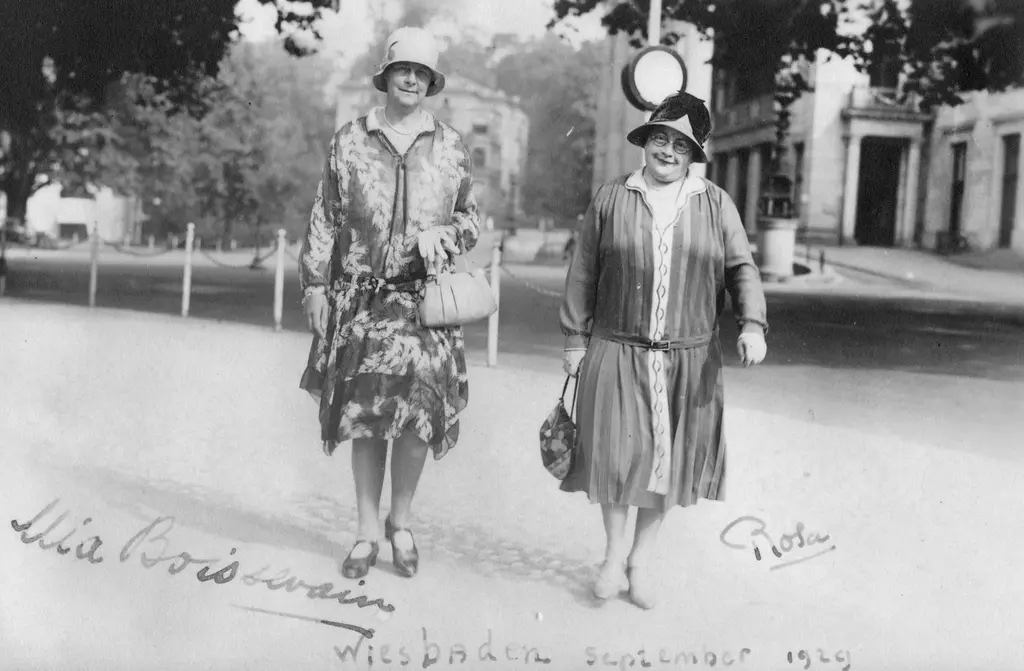
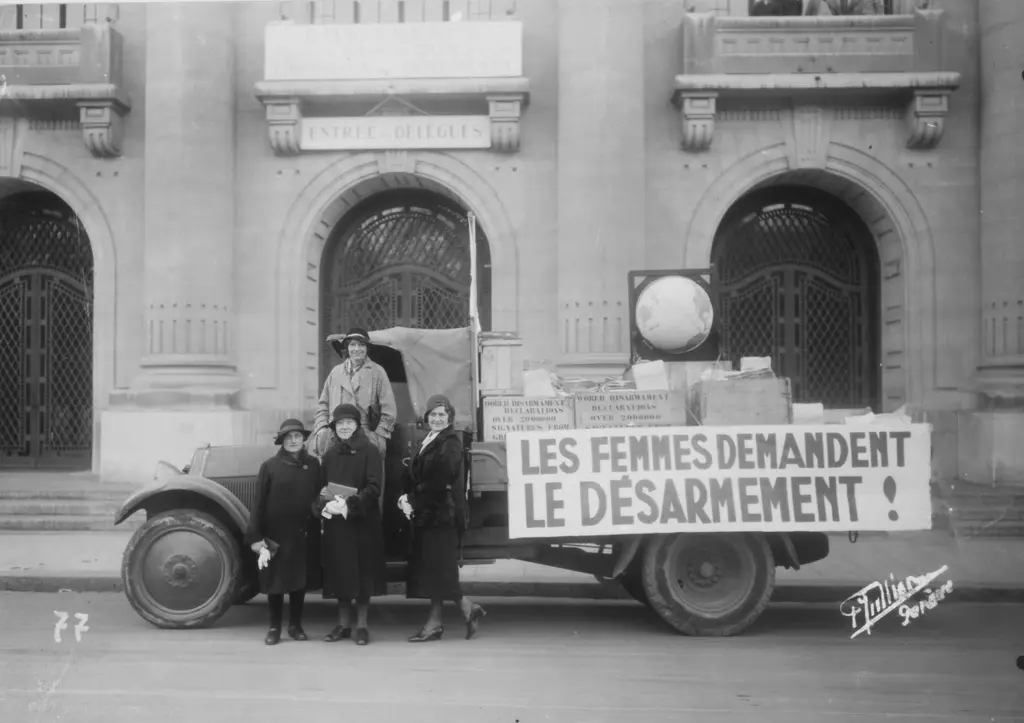
In May 2003, the looted archives were finally returned to their rightful owners, including the IAV. Over 28,000 pieces, about five linear metres of records, photographs and documentation material, were returned. All material that had been collected by the International Archive for the Women's Movement - especially by co-founder Rosa Manus - between 1935 and 1940, namely:
Records of individuals, including those of Aletta Jacobs, Rosa Manus and Betsy Bakker-Nort
Archives of organisations, including those of Arbeid Adelt and the Nederlandsche Vereeniging van Werkende Vrouwen
Hundreds of photographs of congresses, parades, meetings and people
Biographical cuttings
Brochures, pamphlets, newsletters, congress reports and some magazine issues
Some pieces highlighted
We highlight a number of returned documents. Below you can see a visa of Aletta Jacobs, issued on 6 May 1915 to travel in Germany and the then Austria-Hungary.
Raubgut return
The Raubgut project in Duitslang aims to return books looted by the Nazis between 1933 and 1945 to their rightful owners. So far, nine books most likely looted from the IAV Collection have been found in the warehouses of the Zentral- und Landesbibliothek in Berlin. Two had the ex libris of Rosa Manus and another the stamp of the IAV. The books were returned to Atria on 3 December 2015, during the celebration of 80 years of the IAV.