It is 19 August 1975. Carla Lont is signing her diploma for archive officer. For the past four years, she had been learning the intricacies of the profession at the Rijksarchiefschool in The Hague. She could not wait to return to Paramaribo, her hometown, to work in her field. As a single mother, she had to struggle, but also found her passion in her work, which supported her family. This is the story of Suriname's first female archivist.
It is 19 August 1975. Carla Lont is signing her diploma for archive officer. For the past four years, she had been learning the intricacies of the profession at the Rijksarchiefschool in The Hague. She could not wait to return to Paramaribo, her hometown, to work in her field. As a single mother, she had to struggle, but also found her passion in her work, which supported her family. This is the story of Suriname's first female archivist.
History in her own hands
Carla Lont was born on 12 May 1944, in Paramaribo in Suriname. She grew up in the same city and learned to stand on her own two feet at an early age. At 18, she became pregnant and had to leave her parental home. As a single mother, she had to struggle to support her family. Nevertheless, Lont felt it was important to get an education. After taking a course in archive care and administrative organisation, Carla went on to study at the Rijksarchiefschool in The Hague in 1974.
"She asked everyone questions about the past. I think they may have inspired her. She must have thought: that history, it has to stay 'with us'!"
Carla always had an interest in history. Her daughter, Elaine Lont, recalls that her mother always felt comfortable among older people.
So the National Archives School was perhaps a surprising but not unexpected choice.
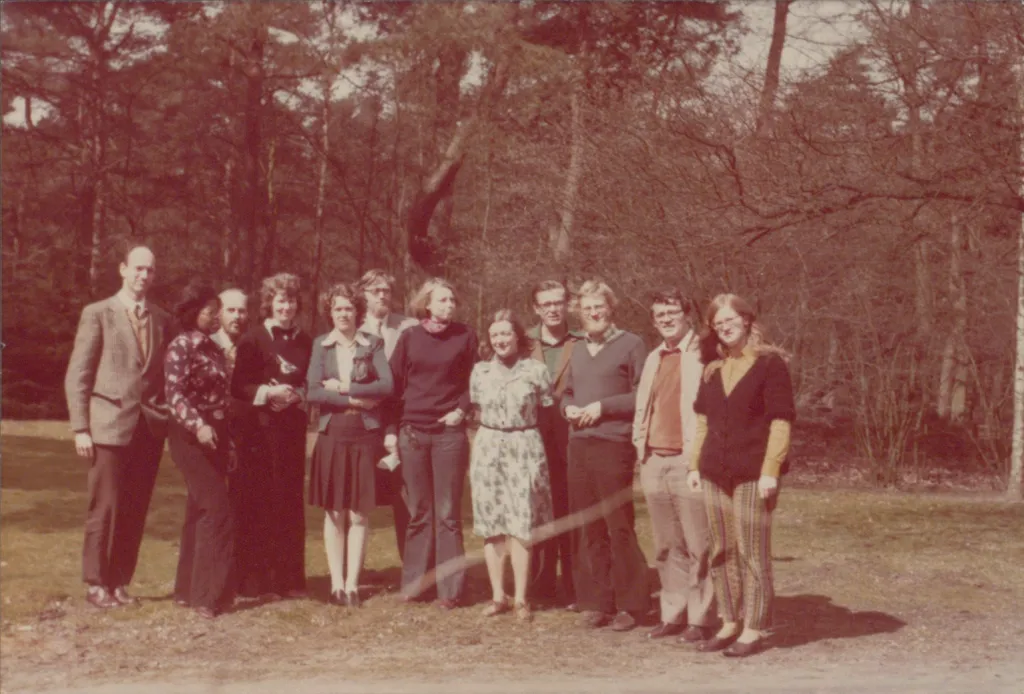
Carla had saved hard for her education. She was the first in her family to go to college. Meanwhile, she was the mother of a daughter and three sons; an uncle and aunt supported her and looked after them during her studies. In The Hague, Carla was the only woman of colour in her class. Suriname did not have its own archival school. The country was only declared independent from the Netherlands in 1975. All of Suriname's archives were not located there, but in the Netherlands. And Carla wanted to change that.
Seize all opportunities
When Lont was in the Netherlands, a world opened up to her. There was so much to see outside Suriname! Since then, she would urge her children: 'whatever you do in your life, go travelling! You have to get to know other cultures. Don't stay narrow-minded! Ask questions!' Carla did that all her life and was then quickly mistaken for brash. In her own family, that changed: she always entered into conversation with her children, everything was allowed to be discussed.
Friends
Lont graduated in 1976 and could not wait to start working in her field in Suriname. In fact, she had many plans for archiving there. She corresponded regularly about it with family friend and also archivist and Surinamist Evert van Laar:
"I hope your archive plans come to fruition soon. As you know, I am willing to advise at any time, where I can, mainly out of affection for Suriname and its people!"
Keeping safe
Carla Lont encountered a lot of resistance. Suriname did not yet have an archive institution or documentation centre. Not everyone was convinced that an archive service in Suriname could keep documents in good and orderly condition. Lont wanted to change this and opposed structural and financial inequality. In a letter dated 24 February 1987, Evert responded:
"You rightly argue, that the preservation and proper editing of this material are essential for the current administration and also for the understanding of the development of Suriname since World War II. [...]
You are right: proper and safe arrangement of the archives, also given the climate, is essential for the preservation of the material."
Elbow work
That it was not easy to fight for the proper housing of Suriname's history in those days may be clear. Suriname may have been declared independent as a Republic in 1975, but the legacy of its colonial past left deep scars in the archives and beyond. Political relations between Suriname and the Netherlands are strained. One of the stumbling blocks, for instance, is development money. After independence, the Netherlands would continue to support Suriname financially. There was a lot of criticism of the way the Netherlands interfered with the spending of this money. Moreover, the Netherlands suspended payment several times, including because of the coup in the 1980s. The financial uncertainties that followed limited the funds available to invest in the development and management of the National Archives of Suriname.
The battle of the Surinamese archives
Carla Lont goes to work for the Ministry of Education and Popular Development and starts her own Post and Archives Department there. That ministry later became responsible for managing the so-called 'State Archives' in 1982. As head of the department, Carla trains staff in archival care and tries to convince everyone of the urgency of an accessible and salvaged documentation centre.
"Due to the fact that paper, which serves as evidence and from which lessons can be learnt has an unsympathetic habit of growing, the material from our Central Archive has also started to grow, unfortunately the facilities around it have not grown as fast. [...]
It is now definitely high time that people in the Republic of Suriname start thinking about the history of the country, the people in other words the history of the Nation. [...] Scholars steal archival materials from the archival repository or rather borrow and do not return them. Abroad are Surinamese archival records. Who cares? It is only the government's attention that is called for the care of archival materials." (Carla Lont in her piece Suriname and its archives, between 1977 - 1981)
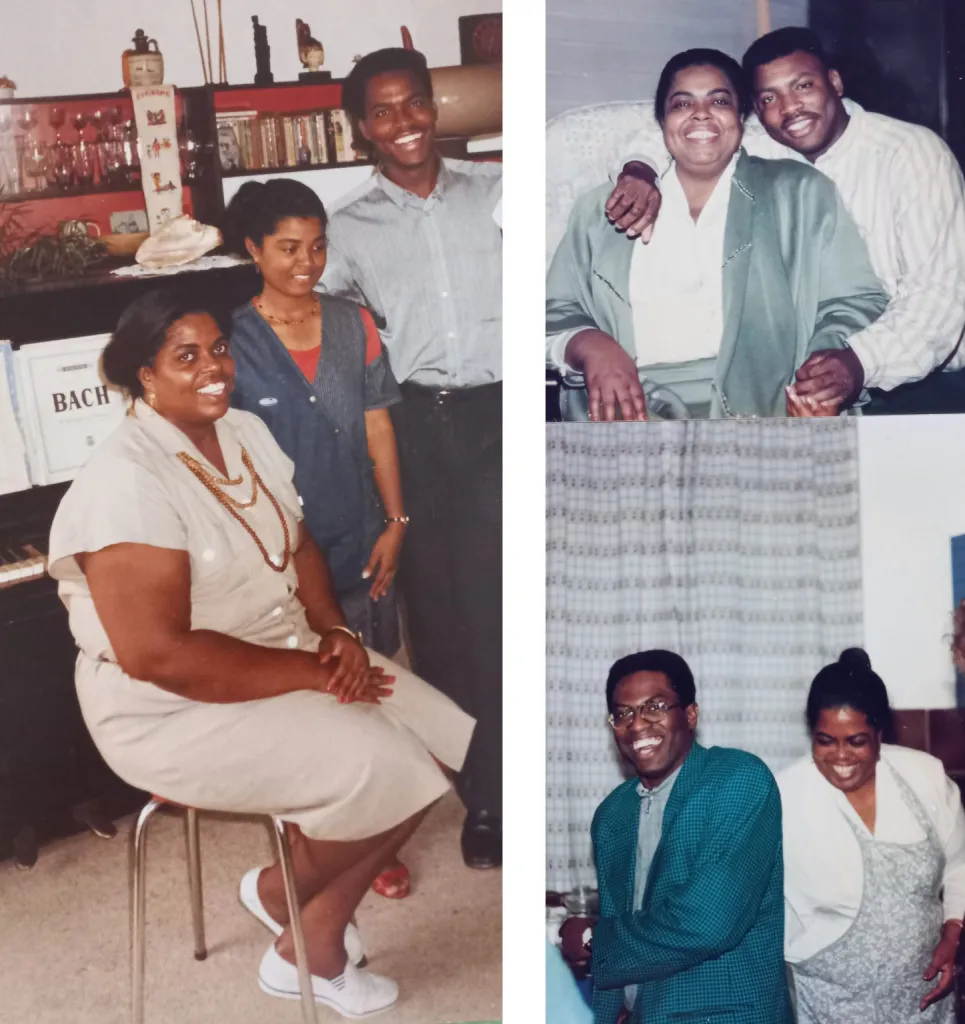
After the coup in Suriname, in 1980, Carla moved her children abroad one by one, three came to the Netherlands and the youngest son went to the United States. She herself remained in Paramaribo, travelling up and down from time to time, working towards her goal. From then on, Carla had many different jobs. To support her children, she had to transfer a lot of foreign exchange. And so she took on many jobs to pay for that. For instance, she taught at the library school, worked for Stichting Planbureau Suriname and was secretary for various committees and working groups.
Speak out
This was not without controversy. As a woman in a male-dominated field, Lont often had to stand up for herself. For better pay, for example, but also in intimidating situations with employers. In a letter to the editor-in-chief of De West on 9 January 1989, you can clearly see that she is not afraid to speak freely: "Herewith I send you the text of an article. Should you decide to have it included in your daily newspaper, I ask you not to leave anything out."
She also wanted to help others and therefore stood up not only for herself but also for the rights of other employees. She often wrote in internal newspapers about the atmosphere between colleagues and stood up for the rights of cleaners.
"People should be thankful for archives because written messages, carriers of information, can help house a nation's history."
The history of a nation
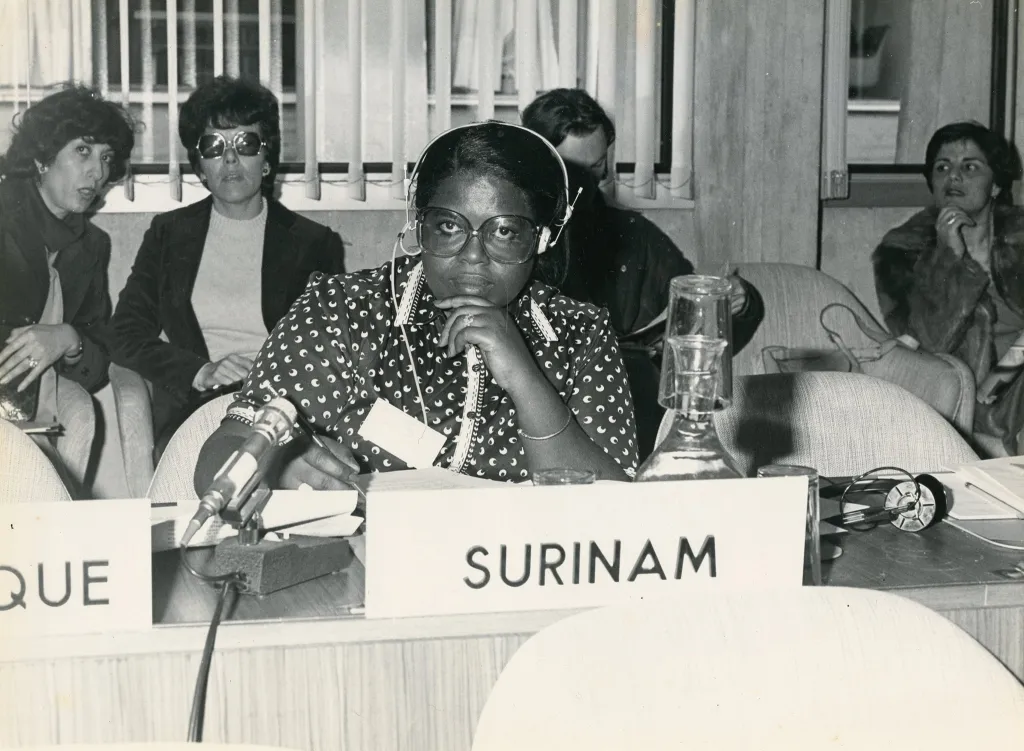
In the meantime, Lont tirelessly lobbies on behalf of the archival system in Suriname. At global conferences, she discusses cultural heritage restitutions. She also sits on archive committees and a working group for a new documentation centre. Not only in her own field of work, but also outside it, she wants to bring people along with her ideas. She therefore regularly writes about her plans in Surinamese media, although she did not always get credit for this. In De West, in 1989, she wrote: "People should be grateful for archives, because written messages, carriers of information, can help house the history of a nation."
To the Netherlands
In 1992, Lont starts work as chief of Central Semi-Static Archive (CSSA) at the Ministry of the Interior. She can once again indulge in the sector that makes her happy. So in 1994, she leaves Suriname for good and reunites with her children. She does a number of courses at the Archive School in Amsterdam and also studies Book, Library and Information Science at the University of Amsterdam.
Women's movement
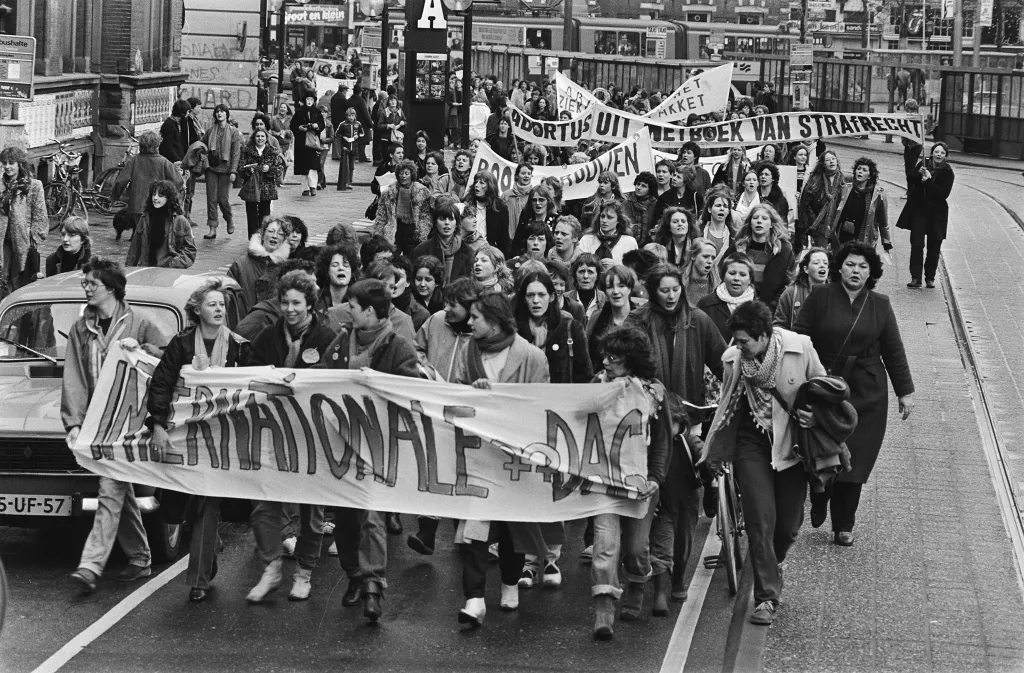
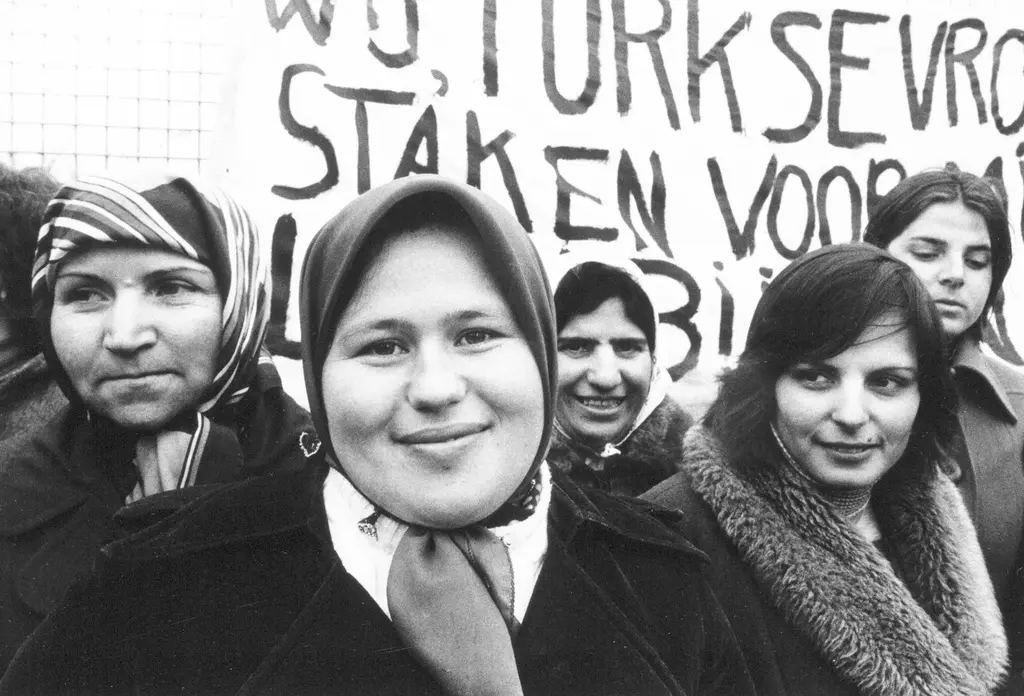
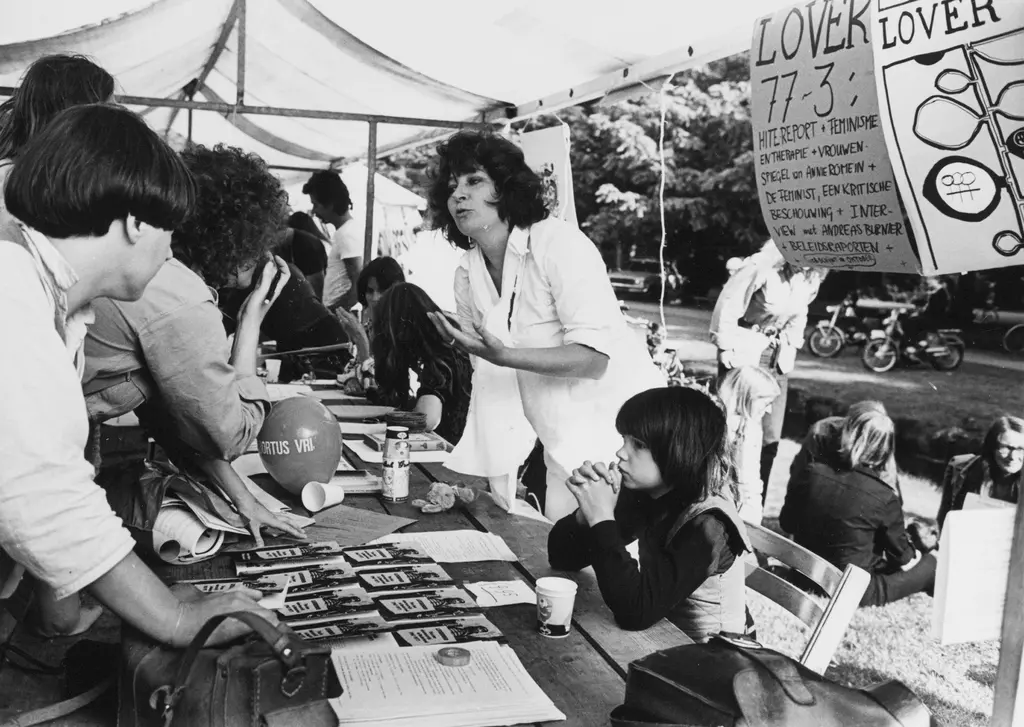
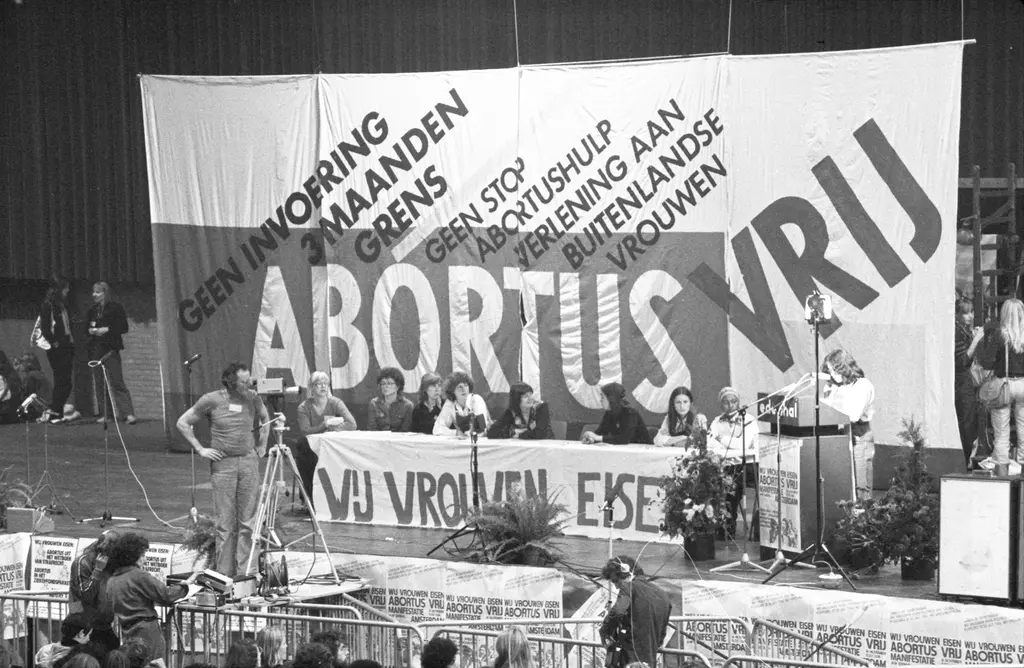
Also in the Netherlands, Carla Lont continues to stand up for the interests of others. She is active in the women's movement, where she always fights for anti-racism. She does commissions for several Surinamese women's organisations and is one of the first to plead at the IAV (now Atria) for more visibility for black, migrant and refugee women in the archives in the Netherlands. The ZMV women's movement was a movement in the 1980s and 1990s of women from different ethnic backgrounds. They were at the beginning of the social debate on feminism, gender and ethnicity in the Netherlands. And they left their lasting traces in this.
National Archives
In 2006, Suriname finally got a National Archives. Sadly, Carla Lont would not live to see it; she died on 28 July 1999 at the age of 55. Lont knew better than anyone how important passing on history is. With her progressive outlook, she would have loved the fact that the archives are now accessible to everyone and located where they belong, in Suriname, their country of origin.
Archives in Suriname
Until 1916, Surinamese archives were kept in Suriname. Yet the situation there was not ideal: the tropical climate proved ruthless for the archives. Acidification, ink blight, insects and mould left their mark. In addition, there were no national archival rules or places to properly preserve the material. Instead of changing that, the Netherlands transferred the archives 'temporarily' to the National Archives in The Hague. However, this temporary move turned out to last a century, pending a modern archive building in Suriname. In 1956, under Dutch administration with the Regulation Landsarchiefdienst, the Land Archive was established in Suriname. This was followed by the establishment of the State Archives in 1982. This was merged with the Land Archive Service in 1989 as the Landsarchief. Only in 2006, effective from the new Archives Act, was the National Archives of Suriname (NAS) established.
In 2009, Suriname asked for the archive back. Arrangements were made for a National Archives in Paramaribo, staff were trained and the Netherlands was given time to digitise all records. In 2010, the first papers were handed over to Suriname and, as of 2017, the archive in Suriname is complete again. The oldest documents in the archive are from 1662.
View Carla's archive
We keep the personal archive of Carla Lont at Atria. Carla knew better than anyone how to keep a good archive. That is why it is one of our archivist's favourite archives to work with. Would you like to know more about Carla Lont, or are you curious about her daughter Elaine's stories? Then watch the video portrait: