Climate change affects us all, but not everyone in the same way. In collaboration with the 75inQ research team, Atria conducted an exploratory study on the gender effects of climate change and adaptation in the Netherlands and Europe. This publication shows why coherence between gender equality and climate policies is essential, and offers concrete recommendations for an equitable and inclusive approach.
Climate change affects us all, but not everyone in the same way. In collaboration with the 75inQ research team, Atria conducted an exploratory study on the gender effects of climate change and adaptation in the Netherlands and Europe. This publication shows why coherence between gender equality and climate policies is essential, and offers concrete recommendations for an equitable and inclusive approach.
Dutch vulnerability to climate change
The climate in the Netherlands is expected to change dramatically in the coming decades. For instance, heat stress is increasing, the risk of flooding is rising due to both more extreme river discharges and sea level rise, and vital infrastructures such as electricity and IT are increasingly failing. In addition, climate change leads to damage to crops and inputs, increased health costs, loss of productivity and changes in biodiversity.
Climate change and gender
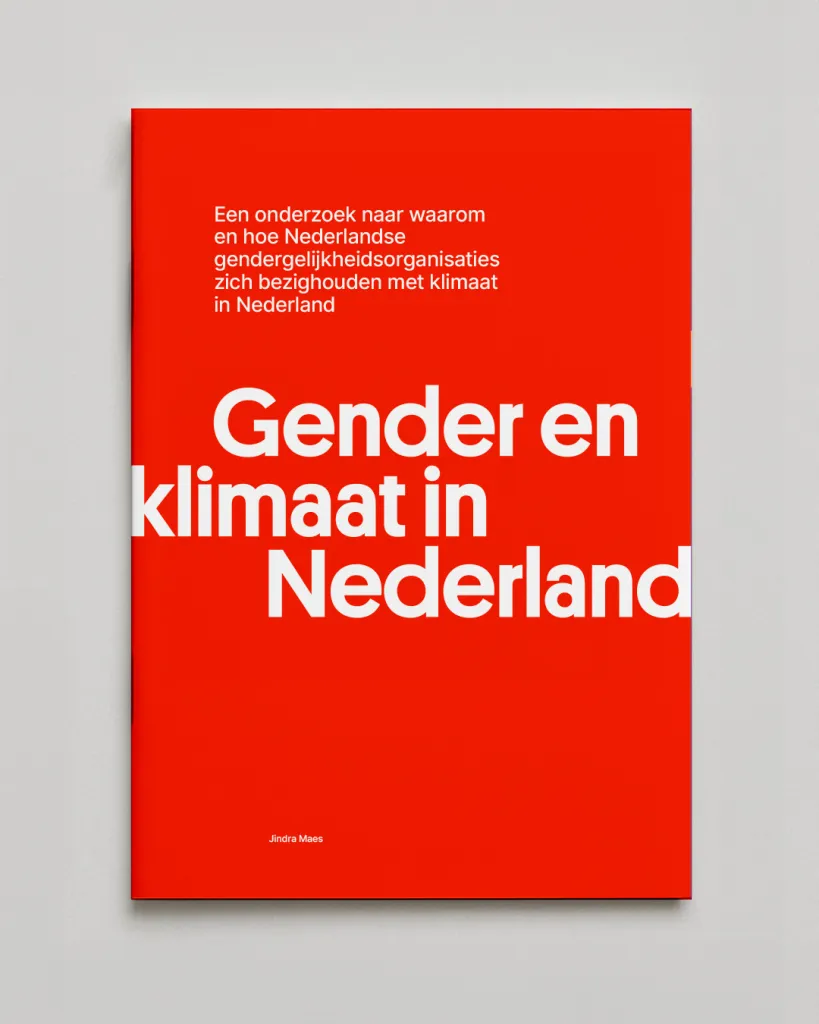
The study Klimaatverandering en gender (Climate Change and Gender) shows that climate change also affects the daily lives of different groups of women in the Netherlands. Yet the unequal impact often remains underexposed, and little attention is paid to the effects of climate policy on gender equality. Energy poverty and the underrepresentation of women in the energy sector and climate professions are clear examples. Although international and European conventions, such as those of the UN, provide starting points for integrating gender and climate, implementation and monitoring lag behind. At the national level, coherence between gender equality policies and climate policies is lacking.
Energy poverty among women
Gender, energy, water and poverty are closely linked. It is often assumed that energy and water use are independent of factors such as gender or age, but in reality, energy poverty has a clear gender component. Men and women differ in how and how much water and energy they use, who has access to these resources and how affordable they are. On average, women earn less than men, therefore have lower disposable income, and are more likely to be single. Moreover, demographically, women live longer, which also puts them at risk of poverty for longer. These factors have a direct gender impact on the affordability of water and energy bills.
Underrepresentation of women in the energy sector
Women are still too little part of addressing the climate crisis. Both in decision-making on climate policy and in the energy sector and climate professions, women, women's rights organisations and gender organisations are underrepresented. Only 22% of those working in the energy transition are currently women. This under-representation requires additional attention and continuous monitoring to accelerate the energy transition in a sustainable way for all.
To engage more women, it is essential to better monitor labour mobility in the energy sector. Limited data understate untapped labour potential. In addition, focusing on strong engineering education and encouraging girls in engineering courses is important, although it takes a long time for them to move on to the sector. A wider diversity of jobs and roles within the energy sector therefore offers opportunities for women without a technical background.
Dutch policy
The (further) development of Dutch policy on gender and climate starts with the national anchoring and implementation of existing international resolutions, in gender and climate policy. In addition, it is important to measure and monitor the consequences of these policy choices in order to make progress in both combating climate change and promoting gender equality.
Recommendations
The recommendations in this report will be used as input for the 66th session of the UN Commission on the Status of Women (CSW) to be held from 14 to 25 March 2022.
The study Climate Change and Gender makes the following recommendations:
Implement existing climate-related regulations and international conventions
Provide gender-sensitive data, research and monitoring to understand the gender impacts of climate change and climate policies
Provide funding and institutional support to gender equality and climate justice organisations and initiatives
Embed gender equality in policy development
Promote knowledge exchange on climate change, energy transition and gender equality
Ensure that everyone can participate in taking responsibility for a cleaner planet
Ensure greater representation, participation, inclusion and voice of girls and women in decision-making around climate action and climate policy