From today, 26 November 2026, women are symbolically working for free for the rest of the year. The pay gap this year is 9,8%. Although this is a slight improvement on last year’s 10.5% progress in closing the gap is still slow.
From today, 26 November 2026, women are symbolically working for free for the rest of the year. The pay gap this year is 9,8%. Although this is a slight improvement on last year’s 10.5% progress in closing the gap is still slow.
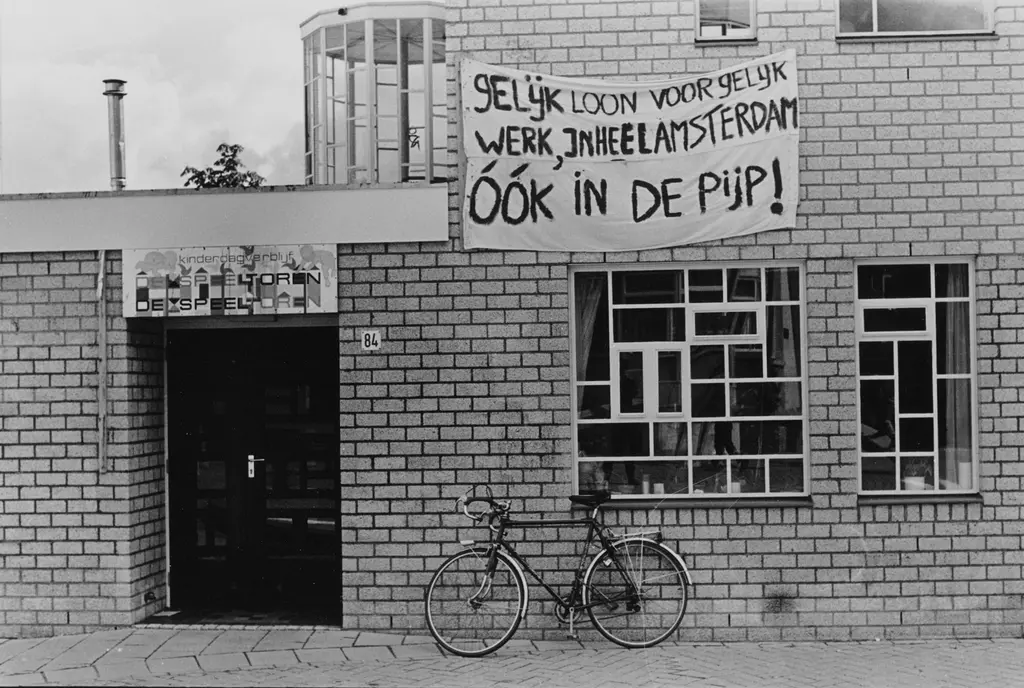
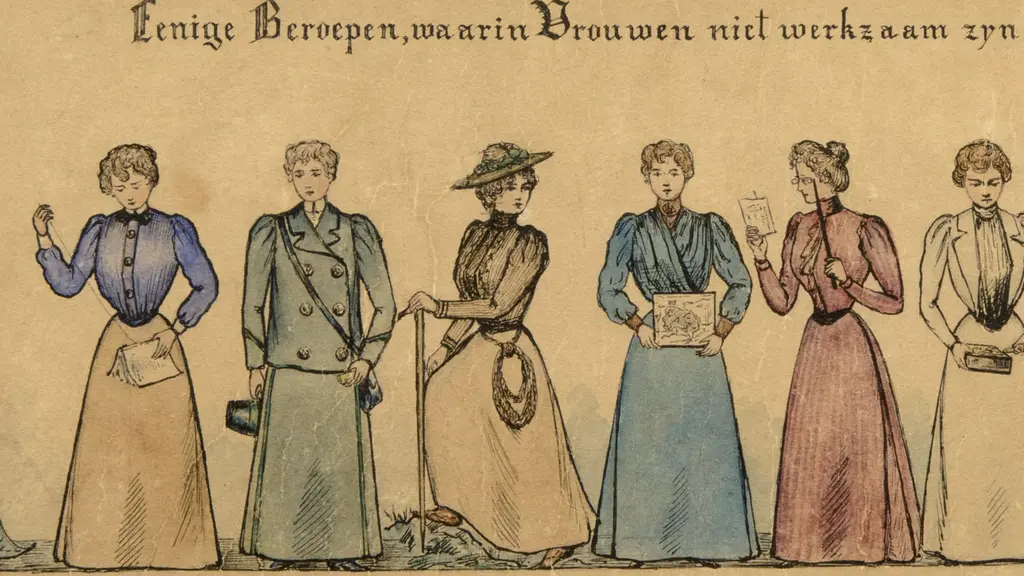
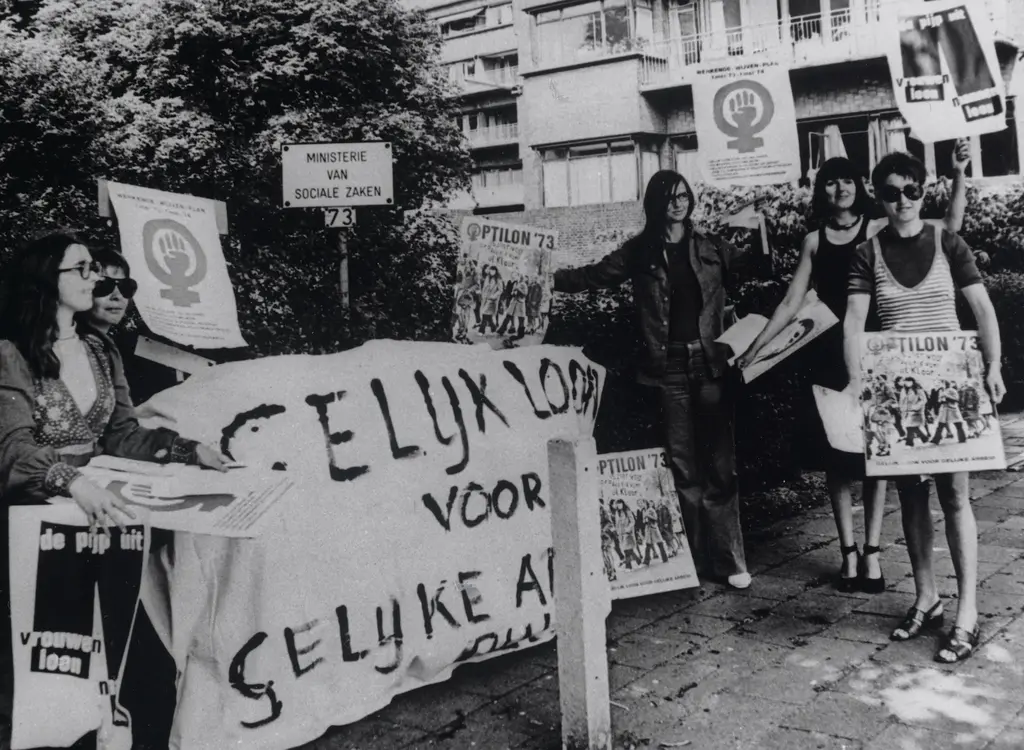
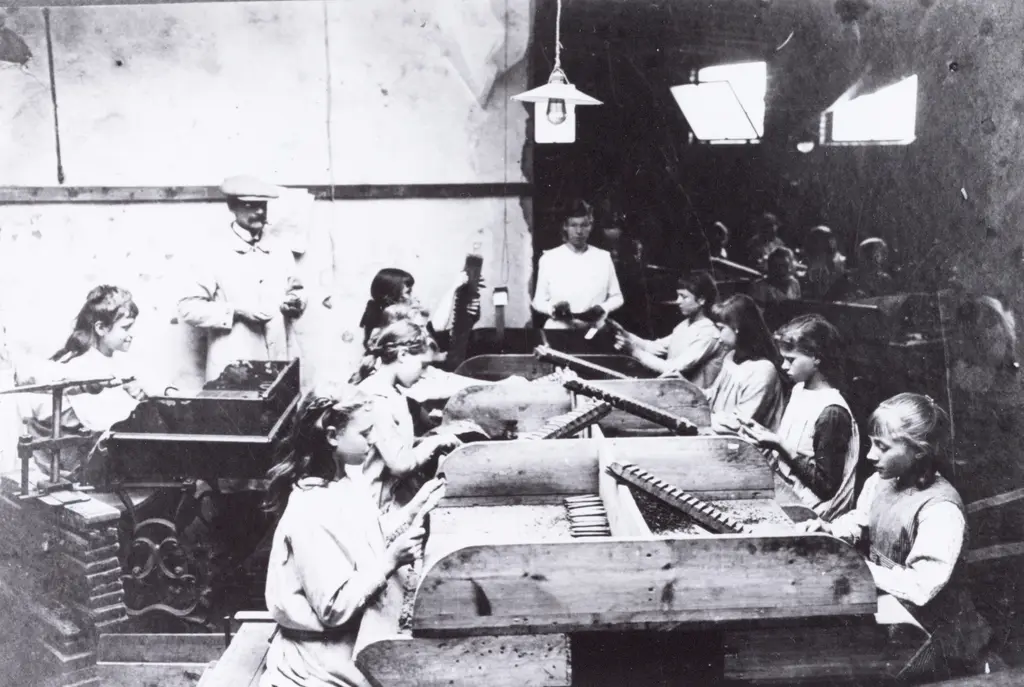
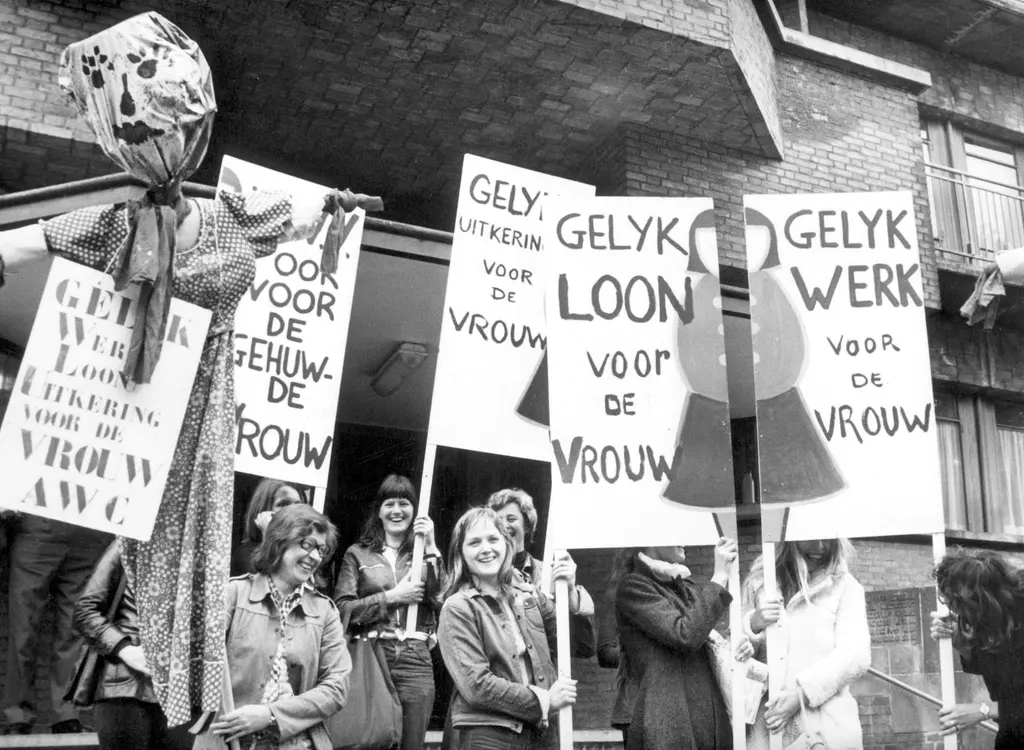
The fight for equal pay is nothing new. As early as around 1880, Aletta Jacobs spoke out against the unequal valuation of women’s labour. When a male patient objected to her bill because, as a female doctor, she charged the same rate as her male colleagues, she defended her right to equal pay for work of equal value.
More than 145 years later, the struggle is still very much alive. Recently, the NOS ran the headline: ‘The Netherlands has the widest income gap between women and men in the EU.’ It is important to distinguish between the income gap and the pay gap. The income gap refers to the difference in total income, for example due to differences in working hours and labour force participation. The pay gap is the difference in average hourly pay between men and women.
How wide is the pay gap in the Netherlands?
The CBS’s Gender Equality Monitor 2026 shows that there are clear differences between the public sector and the private sector. In the private sector, women earn on average 14.5% less per hour than men.
In the public sector, this difference is 4.5%. When differences in job and role characteristics – such as job level, managerial position and sector – are taken into account, a pay gap of 6.1% remains in the private sector and 1.7% in the public sector. The pay gap is therefore considerably wider in the private sector.
Persistent disparities in work, income and care responsibilities
The latest Gender Equality Index 2026 from the European Institute for Gender Equality (EIGE) reveals an interesting contrast for the Netherlands: we score relatively well on overall gender equality and are once again ranked fifth out of the 27 EU countries this year. At the same time, there are persistent disparities in the areas of work, income and the division of care responsibilities. In particular, the pension gap between men and women in the Netherlands is one of the widest in Europe.
The index measures equality between men and women across six domains: work, money, time, knowledge, power and health. The Netherlands scores relatively well on education and knowledge, but less well on the distribution of paid work and unpaid care responsibilities.
Financial inequality goes beyond pay
Financial inequality between women and men is not limited to the difference in hourly pay. The distribution of income within households also shows that women are often at a financial disadvantage. According to EIGE, women in Dutch heterosexual couples earn, on average, 65.2% of their male partner’s income. This applies to couples in which both partners work and are aged between 18 and 64.
These differences are linked, amongst other things, to:
The high proportion of women working part-time
The unequal distribution of care responsibilities
Differences in career choices (women are more likely to work in low-paid sectors such as care, education, hospitality and cleaning) and career progression opportunities
EIGE also examined figures on gender stereotypes relating to gender roles in parenting and the division of work and care responsibilities in Europe. One in three women and two in five men in the Netherlands believe that the mother should stay at home with the child and the father should prioritise his work if childcare is not available. Furthermore, around one-third of Dutch people agree with the statement that women should make most of the decisions about how to run the household (planning and organising meals, making shopping lists, booking doctor’s appointments, etc.).
Gender-stereotypical views and expectations therefore play an important role. In Free to Choose?, Atria investigated how gender-stereotypical views and norms among young adults influence their choices regarding work, care and education. These choices have a major impact on later outcomes, such as the sector in which a person works and their working hours.
The baby penalty
A key moment at which the financial gap between men and women widens is the birth of a first child. The 2026 Gender Equality Monitor shows that women who were in work before the birth of their first child had, on average, 33% less income (from work) six years after the birth than in the year before the birth. For men, the drop in income following the birth of their first child is much smaller (3% less). This is also known as the ‘baby penalty’.
The differences are linked, amongst other things, to the unequal distribution of unpaid care responsibilities and the reduction in the number of hours worked by women. Women are more likely than men to adjust their working lives after having children, with consequences for their income and career progression.
Parental leave: not fully paid
The financial conditions of parental leave also play a role. Parents are entitled to 26 weeks’ parental leave, of which nine weeks are partially paid (70% of the daily wage, up to the maximum daily wage), provided that this leave is taken during the child’s first year of life. The remaining seventeen weeks are unpaid. The loss of income can act as a financial barrier to taking parental leave.
From the pay gap to the pension gap
The financial disparities that arise during working life do not disappear when women and men retire. On the contrary: the pension gap is a significant component of economic inequality between men and women. The disparities that arise during working life due to part-time work, lower pay and the unequal division of work and care responsibilities continue to have an impact beyond retirement.
The pension gap stands at 29.5% (the average difference in gross pension between men and women aged 65 and over). The EU average is 23.9%. The Netherlands therefore has one of the widest pension gaps within the EU.
The 2026 Gender Equality Monitor also highlights the extent of these disparities: on average, women receive less than half the supplementary pension of men. The pension gap cannot therefore be viewed in isolation from the inequalities that arise earlier in life.
What is needed to achieve equal pay?
To tackle pay inequality, greater transparency regarding pay differences is needed. The European Pay Transparency Directive has been delayed once again in the Netherlands. Whilst 1 January 2027 was previously the intended date for its entry into force, this timetable has now proved unfeasible. The Minister for Social Affairs and Employment is now aiming for the directive to come into force on 1 July 2027.
Greater pay transparency is an important step, but reducing financial inequality requires more. The division of paid work and care responsibilities, the opportunities to balance work and parenthood, and women’s economic independence also deserve attention.
Conclusion
The figures from the 2026 Gender Equality Monitor and the 2026 Gender Equality Index show that financial inequality between men and women extends far beyond the difference in hourly pay alone. This inequality arises and grows over the course of a person’s life: due to differences in pay, working hours, the division of care responsibilities and the financial consequences of parenthood. These differences have a knock-on effect on women’s economic independence and, ultimately, on their pensions.
Every year, Equal Pay Day highlights the fact that equal pay is still far from a given. To achieve financial equality, we must look beyond the payslip alone. The division of work and care responsibilities, and the opportunities for financial independence throughout life, also deserve attention.